





Founded in 1842, Cumberland University is one of the South’s oldest private liberal arts institutions, located in Lebanon, Tennessee. With more than 80 programmes and a reputation for academic excellence, the university has long been a cornerstone of its community. Maintaining a safe and supportive environment for students, staff, and visitors is a priority, and the IT and Security team has been steadily upgrading its physical security infrastructure to meet modern demands.
Among the most visible elements of campus safety are blue light stations. These fixtures provide reassurance to students and parents alike, offering immediate access to help when needed. Justin Miller, System Security Technician, explains their importance: “If I’m a student and something happens and I can’t reach my phone, I know I can run to a blue light and get immediate help. They create a real sense of security just by being there.”
Over time, however, Cumberland’s legacy stations became increasingly unreliable. The old ATAs and call management system had begun to fail, causing breakages in the line of connection. With the original manufacturer no longer trading, repairs were impossible, leaving the university without a dependable way to keep this essential safety measure functioning. Features that would now be considered standard—such as video context, failover routing, and remote testing—were absent, while manual walkarounds consumed valuable staff time.
From Legacy Failures to Integrated Safety Hubs
In response, Cumberland University’s IT and Security team decided to retrofit blue light stations with Verkada’s intercoms and multisensor cameras. This transformed the units into multi-functional security hubs, enhancing both reliability and operational visibility.
The integration means that when a student presses the emergency call button, security staff receive the call on their SIP phones as well as through Verkada’s Command platform. At the same time, video from the intercom camera and an overhead multisensor camera is made available, enabling staff to assess the situation instantly and determine whether escalation to local police is required. Built-in failover routing ensures that if one receiver is unavailable, the call automatically transfers to a secondary number.
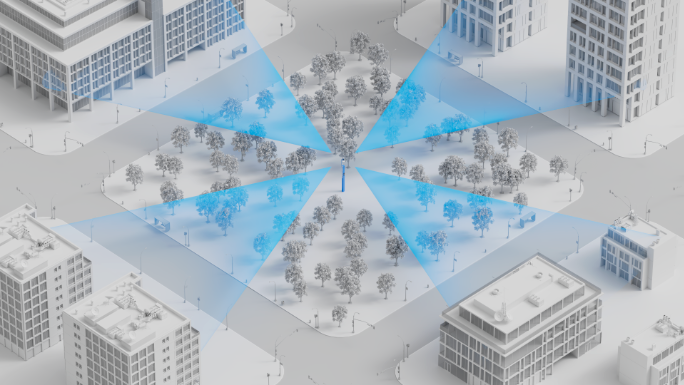
The addition of cameras has also extended coverage to areas of campus that were previously out of sight. “We don’t typically have cameras where these blue light stations are,” Miller notes. “Being able to add another camera view helps us eliminate blind spots and catch everything happening on campus.”
Routine testing has also shifted from manual to remote. The intercoms allow IT and Security staff to troubleshoot from a central location and receive automated alerts in the event of device failures, SIP issues, or camera tampering. This reduces maintenance workload and ensures performance issues are addressed proactively.
Melissa Page, Director of IT and Security, highlights the impact: “Functioning emergency systems are critical to maintaining our zero-incident record over the past two years. If they fail, it impacts not just safety but also our reputation.”
The project has already delivered measurable results, with response times reduced to seconds thanks to instant video context and more reliable routing. The integration of cameras into blue light stations has improved situational awareness, while automated testing and alerts have streamlined maintenance. “Our security team loves Verkada,” Miller adds. “The new calling experience and the additional coverage have been a huge improvement for both response times and overall safety.”
Looking ahead, Cumberland is piloting Verkada Access Control in its Fine Arts Building to test door reader performance and centralised management. The trial has been successful, and plans are in place to extend the system more widely across campus. Integrated panic alerts linked to cameras are also under consideration, providing immediate situational awareness when activated.
For Cumberland University, the shift from ageing analogue infrastructure to a modern, integrated solution reflects a commitment to proactive security. Page concludes: “Every feature we add—whether it’s intercoms, cameras, or access control—integrates seamlessly. It makes it simple for IT and security to stay ahead of potential issues while creating a safer environment for students and staff.”