







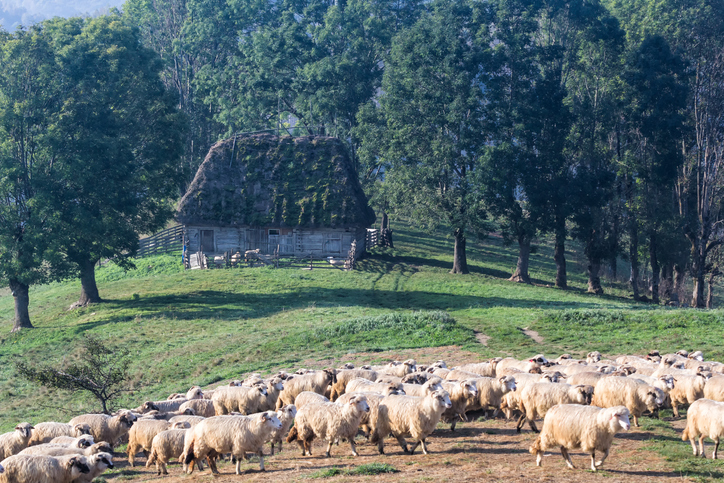
According to the Fuji Sun news, livestock theft continues to rise across Fiji’s northern region. As a result, farmers are increasingly turning to CCTV systems to safeguard their herds – a shift that reflects a broader global trend towards technology-driven rural security.
The Fiji Sun reported that Bocalevu-based farmer Mohammed Talim decided to install surveillance cameras after losing several sheep to thieves earlier this year. The stolen animals had been reserved for a wedding, compounding the personal and financial impact.
“Some of the sheep I owned and had reserved for a wedding were stolen,” Talim told the Fiji Sun. “I had to make a choice and invest money in installing CCTV. Every livestock farmer should consider it to help gather evidence when prosecuting thieves in court.”
The cost of livestock theft in the region is not trivial. A single sheep can be worth between $300 and $500, and with prices climbing during the festive season, farmers become prime targets. Another farmer, Ahmad Firoz, said he also plans to install additional cameras after experiencing losses. “Theft happens when you least expect it,” he said.
Beyond theft, rural farmers in Labasa face additional threats, such as wild dogs attacking livestock. Talim said these recurring issues have pushed him to further expand security measures and called for government assistance to improve fencing infrastructure.
The story highlights the expanding relevance of surveillance technology in non-urban environments. While CCTV systems are now standard in commercial and residential settings, their growing use in agricultural contexts underscores how accessible and adaptable modern video solutions have become.
With networked video analytics, motion detection, and mobile alerts increasingly within reach for smallholders, such deployments illustrate how physical security systems continue to diversify – from city streets to rural settings where livelihoods depend on vigilance.