



Genetec’s latest State of Physical Security report points to a sector that is not just upgrading technology, but redefining what security is expected to deliver.
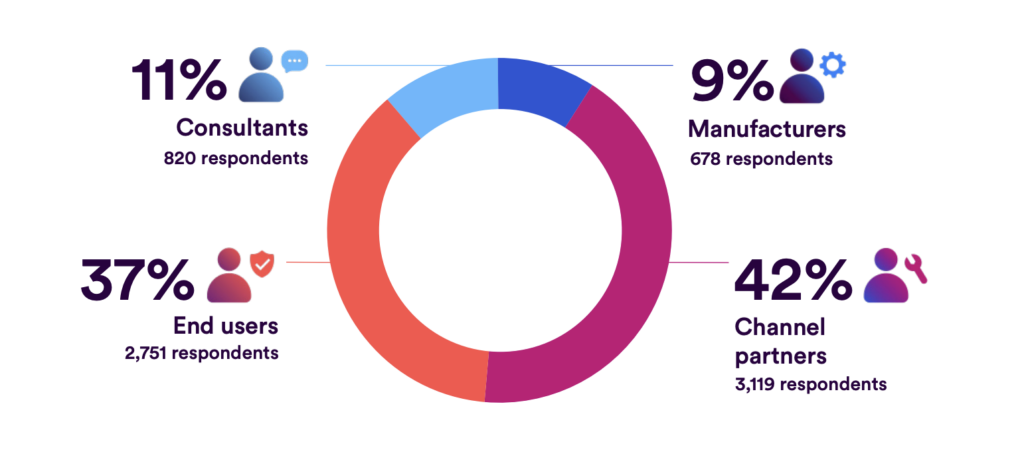
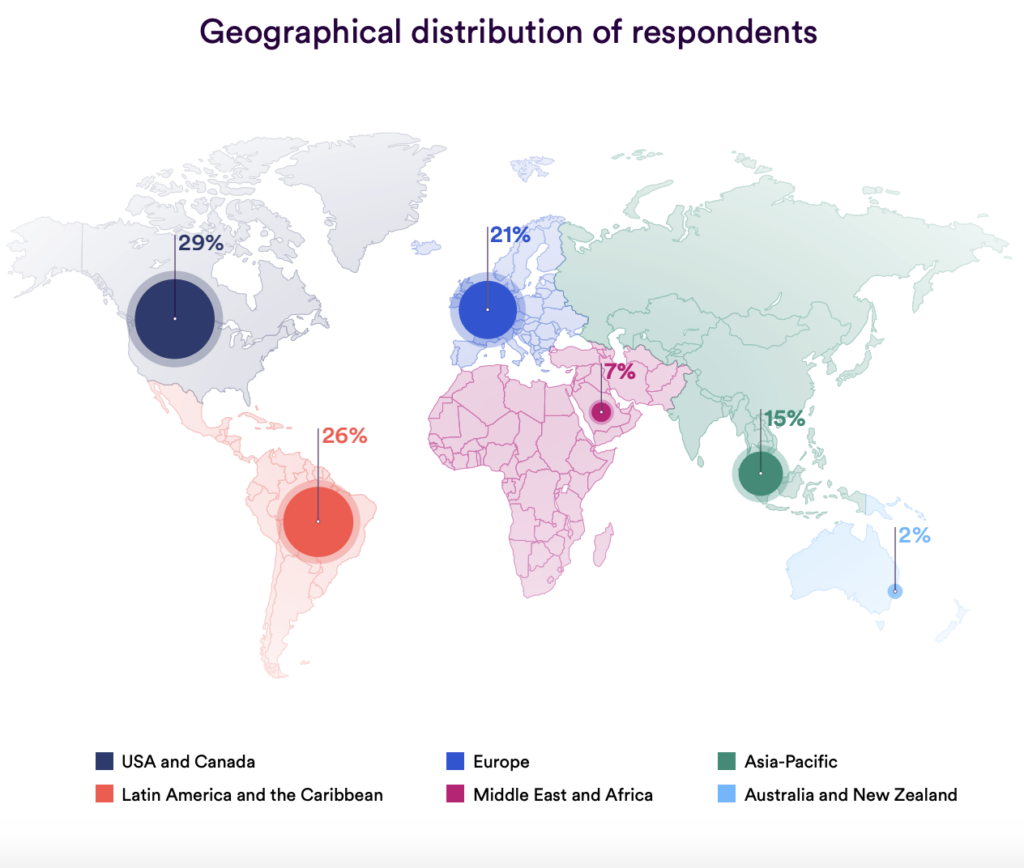
Now in its sixth year, the 2025 study is based on a substantial body of research. Between 18 August and 15 September, Genetec surveyed physical security professionals across six global regions, spanning end users, channel partners, consultants and manufacturers. After full data validation, 7,368 complete responses formed the final dataset. With that level of participation, the 2025 State of Physical Security study ranks among the largest published surveys focused specifically on the physical security industry this year.
What emerges most clearly is that security is no longer being treated as a standalone function. More than 70 per cent of respondents now operate unified or integrated systems, with 60 per cent actively replacing legacy platforms to improve integration and unlock new capabilities. The shift is less about technology refresh and more about positioning security as a strategic business tool.
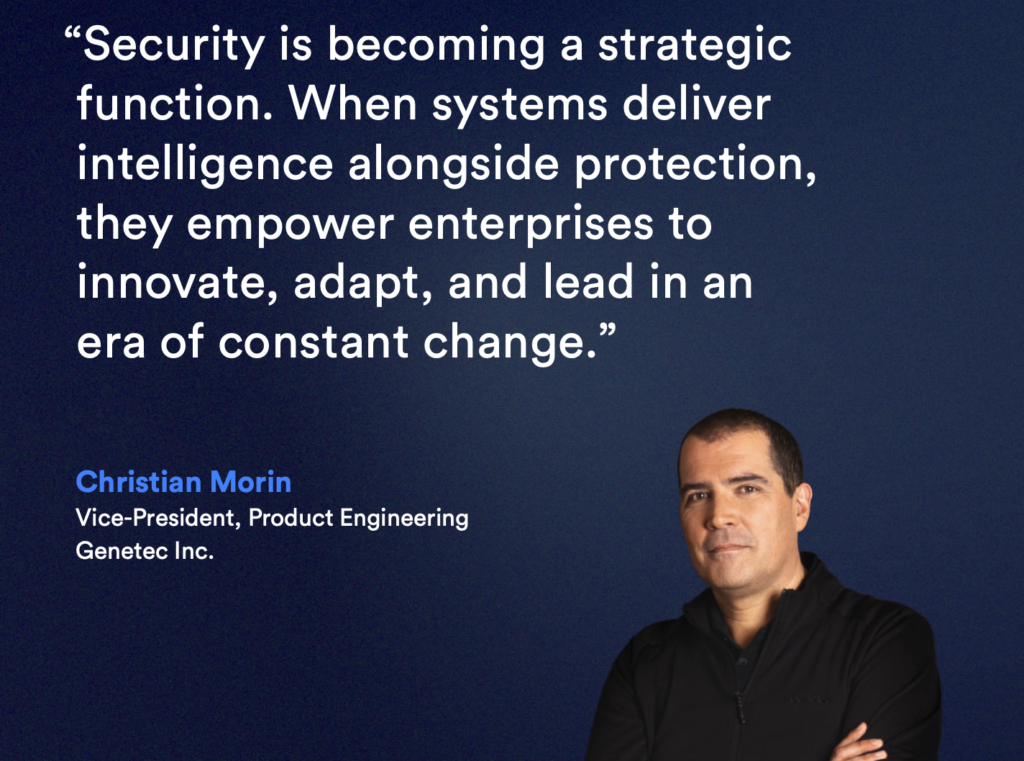
Christian Morin, Vice-President of Product Engineering at Genetec (pictured above), reflects this change directly, saying that security is becoming a strategic function, with intelligence now sitting alongside protection as a core expectation.
Artificial intelligence is one of the fastest-moving priorities. Interest in AI adoption among end users has doubled year on year, and for the first time, it now sits alongside access control and video surveillance as a top project focus for 2026. End users are looking to AI to automate event filtering, accelerate investigations, improve reporting and anticipate risk rather than simply respond to it.
At the same time, confidence remains cautious. Only 29 per cent of end users say they have no concerns about AI. Data use, explainability, malicious misuse and skills shortages continue to temper enthusiasm.
Anne-Cécile Tournier, Product Group Director for Intelligent Automation at Genetec, underlines the importance of responsible development, noting that innovation only becomes valuable when it translates into practical, trusted tools for day-to-day operations.
Cloud adoption is also moving into a more mature phase. Hybrid cloud has now become the dominant deployment model, with 45 per cent of organisations operating hybrid environments. Automatic updates, faster deployment and easier maintenance remain the main drivers. Looking ahead, 71 per cent of channel partners expect new cloud deployments in 2026, while 72 per cent of consultants expect to be specifying hybrid approaches over the next five years.
Despina Stamatelos, Director of Product and Industry Marketing at Genetec, notes that there is no one-size-fits-all answer when it comes to deployment. The right balance between cloud and on-prem remains dependent on organisational size, operating environment and long-term priorities.
Greater connectivity is also bringing greater exposure. Forty per cent of respondents reported an increase in physical and or cyber incidents in 2025, rising to 68 per cent among large organisations with more than 10,000 employees. Almost half of all respondents plan to launch new cybersecurity initiatives in 2026. Training, access management, infrastructure hardening and data protection remain the first lines of defence, while IT teams are now playing a far more central role in physical security strategy.
Budgets, meanwhile, appear to be holding steady. Forty-eight per cent of end users reported that operating budgets either increased or remained flat in 2025, and consultants remain broadly optimistic for the year ahead. The bigger challenge is skills. Technician shortages continue to dominate, followed closely by systems engineering and technical support roles. AI, cloud and IoT expertise remain in particularly short supply.
Perhaps the most telling shift is in how the supply chain itself is evolving. End users are no longer looking for short-term technology providers. They are looking for long-term value partners, with open platforms, performance, stability, and portability now outweighing single-vendor lock-in.
Taken together, the findings paint a picture of an industry moving beyond tools and infrastructure towards long-term strategy. For anyone responsible for specifying, deploying or managing security systems, Genetec’s latest research serves as a timely benchmark for where the sector now stands – and where it is heading next.