







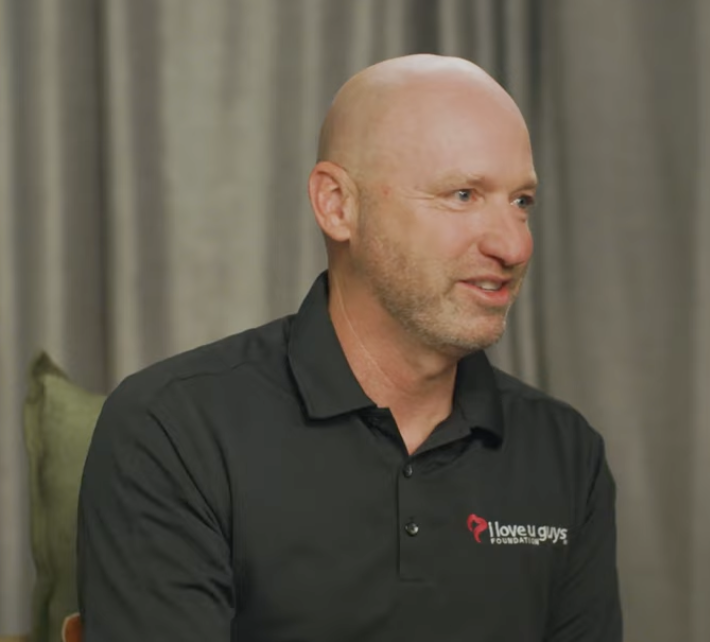
I met Pat Hamilton, Alliance Director from The “I Love U Guys” Foundation in Chicago, at the VerkadaOne event. His message was simple and powerful: “Our mission is to protect the joy of youth.” The foundation began in 2006 after John-Michael and Ellen Keyes lost their daughter, Emily, in the Platte Canyon High School shooting in Bailey, Colorado, U.S.
Pat describes Emily as a force of nature, the kind of teenager who designed her own logo because “Anyone who’s going to change the world needs a brand.” Her voice and spirit underpin the work that followed. The name of the foundation came from the last text Emily sent to her parents, where she was saying: ‘I love u guys’.
From grief to a common language for safety
In the early years, the foundation explored how best to make a difference. Research led them to a missing piece in school safety – communication. Schools and first responders were speaking different dialects. One campus might call a lockdown “Code Red”, another “Lockdown Level 4”, or even “Bart Simpson in the building”. The same police agency could respond to two schools using different codes on the same day. Confusion wastes seconds.
The response was the Standard Response Protocol (SRP), a plain-language lexicon now widely used across schools and by first responders. Pat had been a security director at the time and helped craft early training materials with law enforcement and emergency management. The idea was to teach clear actions in clear words that students, teachers and officers can all understand.
The partnership with Verkada
Verkada is a Mission Partner of The “I Love U Guys” Foundation. It’s a collaboration built on shared goals rather than branding. The partnership connects the Foundation’s Standard Response Protocol (SRP) and Standard Reunification Method (SRM) with Verkada’s technology to make emergency communication and lockdown actions faster and more consistent.

In practical terms, Verkada integrates SRP/SRM steps directly into its security and communication systems. Lockdowns can be triggered site-wide through access control or an emergency button, while live camera feeds and door status updates are shared instantly with first responders. The company’s tools for visitor management and student reunification mirror the Foundation’s processes for tracking and returning students safely to their parents.
The partnership also extends into training. Verkada hosts national and district-level briefings with the Foundation, providing free resources that help schools align technology with human response. The collaboration shows how safety protocols and smart systems can reinforce each other – clear language matched with intelligent tools.
What the protocols look like in real life
Pat frames their approach as all-hazards. Not every incident is an attacker. Sometimes it’s a dysregulated pupil in a corridor, sometimes a gas leak, sometimes a moose on the playground. The protocol gives schools a menu of plain-English actions that fit the situation. Drills are calm and methodical – “no trauma, no drama” – and bring officers into buildings so they learn the layout before a crisis.
Locked doors are central. Pat cites evidence that getting behind a locked, fire-rated classroom door saves lives. The Sandy Hook Commission’s top recommendation was exactly that. Where tragedies still occurred, the locked hardware largely held. The lesson is practical: move fast, get people behind a solid door, lights out, out of sight, and keep the room secured until police release the lockdown.

Technology and the race against the clock
Most critical incidents end quickly – many within 5 to 10 minutes – so speed matters. Technology is closing the gap. Electronic door locks remove fine motor tasks under stress. A lockdown can now be initiated from a wall button, a phone or a call, with doors across a site secured at once. LED indicators on locks give teachers immediate confirmation so they can focus on safeguarding pupils, not testing handles in a corridor.
Pat also sees AI shifting schools from reactive to proactive. Visual analytics and “person of interest” alerts can identify known threats before they reach the door, giving staff time to initiate a protocol earlier in the timeline. He calls it proactive visual intelligence. The aim is to push decisions further to the left of an incident and win back seconds.
“The people in the school own the first five minutes,” Pat says. The foundation’s materials are designed to be taught in minutes, not days, and are freely available without even an email form. Classroom posters exist in 20 languages. Leaders can walk into a room, point to the poster, and rehearse the five actions. Teachers typically leave those briefings saying, “I can do this.”
Culture matters as much as kit. Situational awareness is taught in plain terms with three questions: What’s going on around me, where am I, and what’s available to me. Small habits add up – counting rows to an aircraft exit, spotting AED locations, and noting secondary routes. The goal is a community that notices early and acts confidently.
Reunification done properly
Beyond the immediate response, the Standard Reunification Method gives schools a tested way to hand pupils back to families when the day is disrupted. It’s a controlled exchange of custody with ID checks, forms and a runner who brings the pupil to the verified parent or carer. It isn’t glamorous and it’s never perfect, Pat says, but it shortens recovery. Communication is crucial – explain the process to pupils and parents before you ever need it.
The foundation now counts 50,000 school communities using its materials and has formal programme adopters at the state level, with practitioner states engaging regularly. The work is spreading internationally and being adapted to very different facilities, from modern campuses to single-room schools. Long term, Pat would love to retire the word “lockdown” from the protocol entirely. Hold, secure, evacuate, and shelter would cover the hazards we can expect. That’s the dream.
In summary, clear language, drilled habits, sensible technology and a culture that values awareness can save lives. As AI becomes more proactive and electronic locks become standard, the protocols get faster and stronger. But it still starts with people who know what to do in the first five minutes – and a community that protects the joy of youth.