







Abloy UK is calling for greater awareness of compliant access control among Health and Safety Managers, highlighting the role these systems play in protecting workers and the public across critical infrastructure, commercial facilities, and high-risk environments.
Recent figures underline the urgency of the issue. Over the last year, 124 workers and 92 members of the public were killed in work-related accidents, with more than 600,000 injuries reported. The resulting 33.7 million lost working days translated into £21.6 billion in costs to the UK economy1. A number of these incidents have been linked to unsafe or unauthorised access to restricted areas, including plant rooms, electrical infrastructure, maintenance zones and blocked escape routes.
David Rock, Market Development Manager at Abloy UK, emphasises the importance of preventative access control: “Every time we reduce the chances of someone being in the wrong place at the wrong time, we lower the risk of injury, improve compliance and protect organisations from disruption.”
Abloy recommends that life safety strategies include access control systems capable of restricting entry to hazardous areas and managing permissions in real time. The company points to its electromechanical eCLIQ solution, which controls which key cards can access specific areas. Integration with permit-to-work procedures ensures only trained, competent personnel can enter high-risk zones.
The eCLIQ system also provides traceability, tracking and audit trails. Organisations can gain a clear overview of who accessed which areas and when, including remote locations. This visibility supports both regulatory compliance and internal accountability, while offering a tool to investigate incidents and identify potential breaches before they escalate.
The ability to easily grant or revoke access is crucial. Expired training, lost key cards or security threats can all be addressed swiftly, maintaining protection for staff and the public.
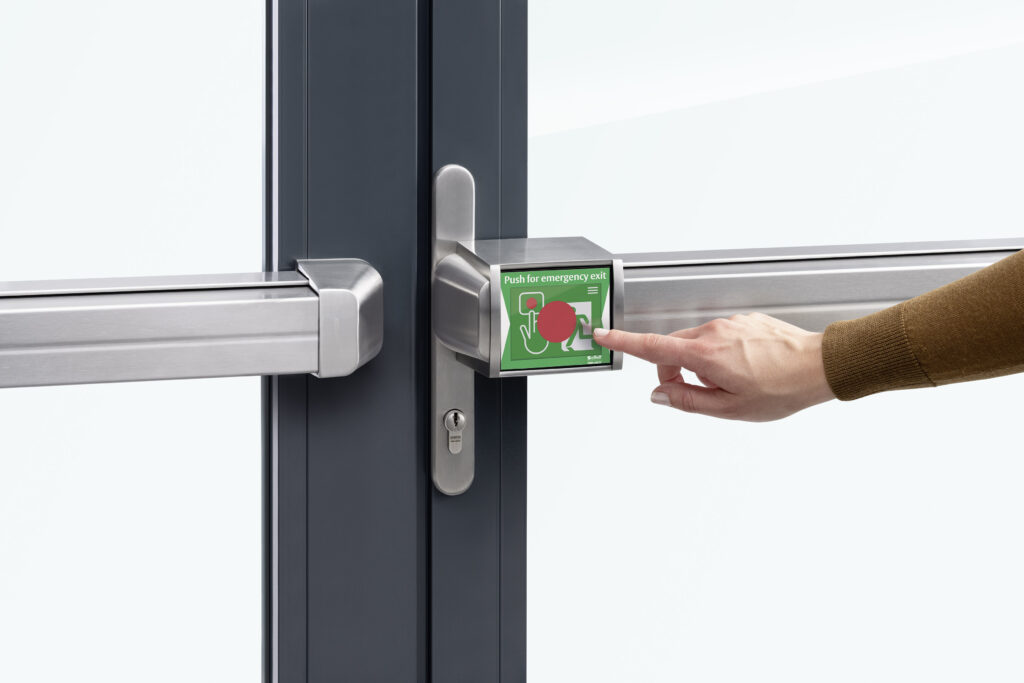
Equally critical are compliant escape door systems (EDS). These systems secure sites against unauthorised entry but release instantly in emergencies, such as fire alarms or power failures. Abloy stresses that functional escape routes are essential, as delayed or blocked exits can significantly increase the risk of injury or death.
Health and Safety Managers should reference NCP 109 Issue 4 when managing electrically controlled escape doors. The guidance clarifies compliance requirements for EN 179, EN 1125 and EN 13637 standards. EN 1125 and EN 179 focus on legal adherence and occupant safety, while EN 13637 addresses control of electrically operated escape doors, a standard still unfamiliar to some organisations.
Integrating EDS within wider access control plans allows sites to maintain day-to-day security without compromising emergency escape. Combined with solutions such as eCLIQ, this creates a layered system that prevents unsafe access, ensures rapid evacuation and meets stringent safety standards.
Abloy also provides training through the Abloy Academy, equipping Health and Safety and Facilities Managers with knowledge of compliance legislation, safe locking strategies and the integration of access control into broader safety management plans.
Rock concludes: “Health and safety isn’t just about responding to incidents; it’s about preventing them. Too often, organisations only consider access control and escape provision after an incident occurs. A proactive, preventative approach protects people, ensures compliance and mitigates costly consequences.”